
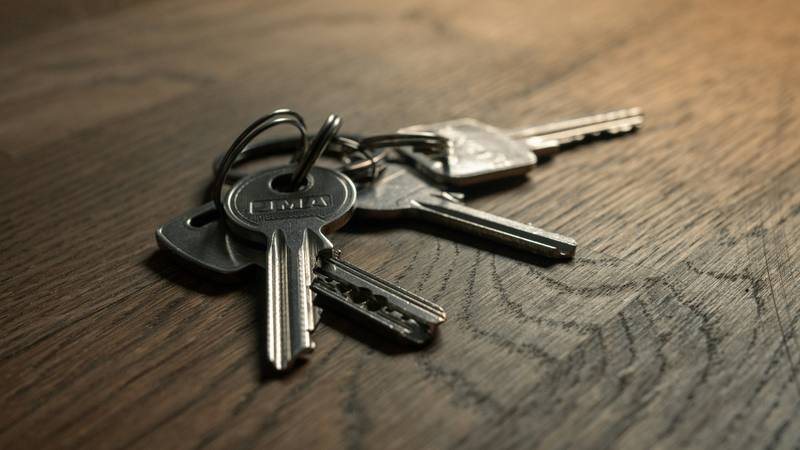
Why That Cheap Key Copy Never Seems to Work Right
Almost everyone has done it. You grab a spare key, run it over to the hardware store, wait a couple of minutes at the self-service machine, and walk out with a fresh copy for a few dollars. Then you get home, slide it into the lock, and it sticks, jams, or refuses to turn at all.
It is one of the most common frustrations Colorado homeowners run into, and it is almost always the copy's fault, not your lock's. Cheap key duplication looks simple, but there is a surprising amount that can go wrong between the blank on the rack and a key that actually works smoothly in your door.
In this article, we will explain why hardware store key copies fail so often, the hidden mistakes that ruin a duplicate, why some keys cannot be copied at a store at all, and when it makes sense to call a professional locksmith for key duplication in Colorado that works the first time.
How Key Duplication Actually Works
To understand why copies fail, it helps to know what is really happening when a key gets duplicated. A key is not just a piece of metal. It is a precise tool, and every cut, depth, and angle has to line up with the tiny pins inside your lock.
When a key is duplicated, the machine traces your original and cuts a matching pattern into a blank. For that copy to work, several things have to be right:
- The blank has to match your specific lock brand and keyway
- The cuts have to be the correct depth and spacing
- The machine has to be properly calibrated and maintained
- The person operating it has to check the copy against the original
If any one of those steps is off, the key might look correct while failing to work in the lock. And at a busy hardware store, several of those steps often get rushed or skipped entirely.
The Hidden Mistakes That Ruin a Copy
Most failed key copies come down to a handful of common mistakes. Individually they seem minor, but any one of them can leave you with a key that does not work.
The usual culprits include:
- Worn or poorly maintained cutting machines that drift out of alignment
- Copying from a key that is already worn down, so the copy inherits the flaws
- Using a cheap blank that does not quite match your lock's keyway
- Cuts that are slightly too shallow or too deep to move the pins correctly
- No one testing the finished key before you take it home
That worn-original problem trips up a lot of people. If you make a copy from a key you have used every day for years, the machine copies the wear, not the original factory cut. Make a copy of that copy later, and the errors stack up until the key finally stops working. This is often why the third or fourth generation of a house key mysteriously quits.
Blank quality matters too. The bargain blanks used at many self-service kiosks are softer and less precise than professional blanks. They wear out faster, bend more easily, and sometimes do not seat correctly in the lock even when the cuts are close.
Keys That Simply Cannot Be Copied at a Store
Sometimes the problem is not a bad copy. It is that the key was never a candidate for store duplication in the first place. Many modern keys need equipment and knowledge that a hardware store kiosk does not have.
Keys that typically fail or cannot be copied at a store include:
- Car keys with transponder chips that must be programmed to the vehicle
- Push-button or proximity fobs for keyless entry vehicles
- High-security keys with "Do Not Duplicate" stamps and restricted blanks
- Patented or registered keys that require authorization to copy
- Dimple keys and other specialty designs the machine cannot trace
High-security and restricted keys are designed specifically to resist casual copying, which is a good thing for your security. But it also means a standard store machine either cannot cut them or produces a copy that does not work. These keys usually require a locksmith with the right blanks and authorization.
Car keys are their own category. A hardware store may be able to cut a key that fits the ignition, but without programming the transponder chip, the vehicle will not start. That is why so many drivers end up with a "copy" that opens the door but leaves them stranded.
Why a Failed Copy Costs More Than You Think
A key copy only costs a few dollars, so it feels like a low-risk purchase. The real cost shows up later, usually at the worst possible time. A key that works one day and fails the next can leave you locked out of your own Colorado home.
A bad copy can lead to bigger problems, including:
- Getting locked out when the worn copy finally stops turning
- A key snapping off inside the lock, which then needs extraction
- Extra wear on your lock from forcing a poorly cut key
- Wasted trips back and forth to remake copies that still do not work
- A false sense of security when a spare key does not actually function
That broken-key scenario is more common than people expect. A soft, low-quality blank is more likely to bend or snap under pressure, and if it breaks off inside the cylinder, you are suddenly dealing with a stuck key and a lockout instead of a simple copy. What started as a few-dollar errand turns into an emergency service call.
Forcing a bad key can also damage the lock itself. Jamming and wiggling a copy that does not fit puts stress on the pins and cylinder, which can shorten the life of an otherwise good lock. A precise copy from the start protects both your keys and your hardware.
When to Call a Pro for Key Duplication That Works
For a basic house key, a store copy sometimes works fine. But there are plenty of situations where it is worth having a professional handle your key duplication from the start. It is time to call a locksmith when:
- Your store copies keep sticking, jamming, or failing
- You need a copy of a high-security, restricted, or "Do Not Duplicate" key
- You need a car key with a transponder chip or a keyless fob
- Your only original key is worn and you want an accurate copy before it fails
- You want reliable spare keys for family members or a rental property
A professional locksmith uses well-maintained equipment, quality blanks matched to your exact lock, and a trained eye to check every copy before it leaves their hands. That means a key that turns smoothly the first time and holds up over the long run.
There is also real value in making copies from an accurate source. A locksmith can often cut a fresh, precise key rather than copying a worn one, which stops the cycle of errors that ruins hardware store duplicates. For high-security and automotive keys, they have the blanks, authorization, and programming tools that a store simply does not.
At Unlock Button, we handle key duplication, spare key cutting, high-security keys, and transponder car keys for homeowners and drivers across Colorado. We come to you, so getting reliable copies is as easy as a phone call.
Get Started With Your Project Today
If you are tired of key copies that stick, jam, or fail when you need them most, we are ready to help you get keys that actually work. At Unlock Button, we specialize in accurate, professional key duplication in Colorado that gives you reliable spares for your home, family, and vehicles. Reach out today so we can match your keys correctly, cut them precisely, and make sure every copy works before we are done.