
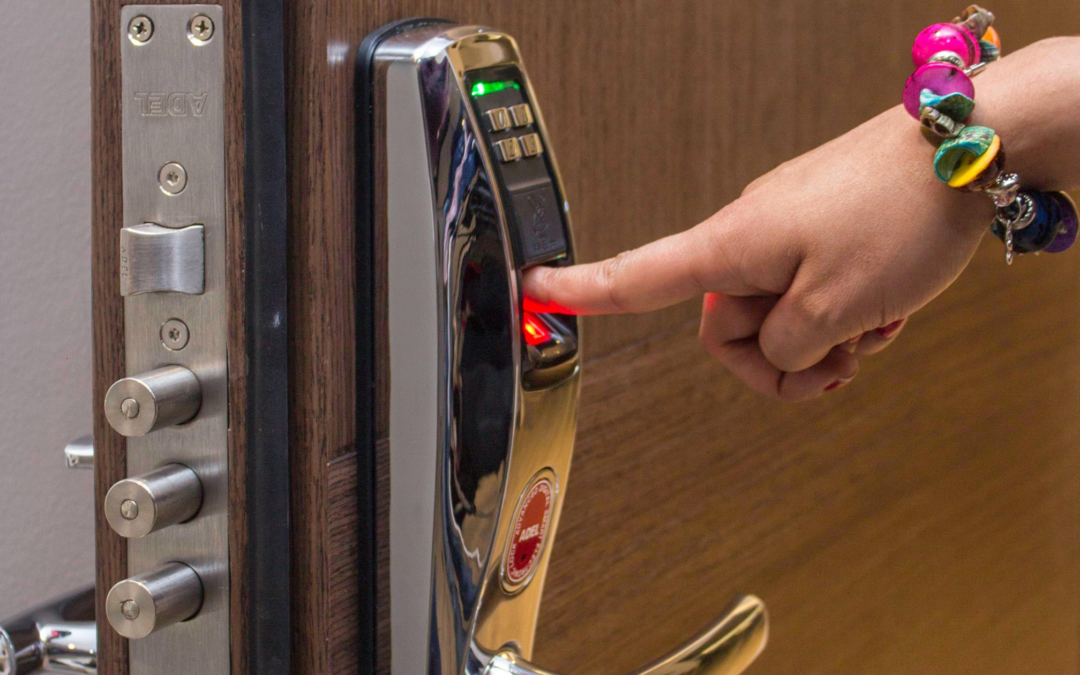
While artificial intelligence and smart home security are excellent at keeping an eye on the property, they are physically unable to protect the property if the hardware on the doors is inferior. In other words, a $500 biometric smart lock on a rotten door frame with a regular half-inch strike plate can be kicked in with one strike. To have true security in an age of artificial intelligence, one must have smart security and top-quality locksmith work. They can alert you that someone is breaking in, but only top-quality hardware can actually prevent them.
The Problem With 4K Video of a Burglary
Many people are victims of the "Security Illusion," whereby they spend thousands of dollars on a security system that may feature AI-powered facial recognition cameras, as well as the best in Wi-Fi deadbolts. On paper, they may have the most secure home in the neighborhood, when in fact, they may just have a stage for a pre-recorded crime.
Burglars do not attempt to crack the wireless network password, nor do they wear masks to trick a facial recognition program. Burglars, however, attempt to break the front door with about ninety pounds of raw power. If the smart lock was installed with the short, weak screws that the retailer included, the door frame will be splintered regardless of the intelligence of the software. The AI system may capture the entire two minutes of the burglary in high definition, but it does not stop the intruders from entering the building.
The idea at Unlock Button is that there is a disconnect between the digital and the physical. Homeowners are spending money on software solutions but are completely ignoring the hardware. This is a huge gap that cannot be filled with code.
The Physical Limits of AI Home Security
Artificial intelligence is a powerful deterrent, but it is also inherently passive. AI cameras employ the power of machine learning to tell the difference between the delivery driver and the prowler and alert the smartphone in a matter of seconds. This is a tremendous step forward in situational awareness, but it also leads to the false feeling of safety.
A misconception is that if the AI alert is sent, the police will immediately arrive at the scene. The average police response time for a property crime is over ten minutes, according to national averages. All an experienced burglar needs is about ninety seconds to get past the doors and get the car keys or the small electronic devices. If the high-security deadbolts do not slow the intruder physically, the AI is merely recording the loss, not preventing it.
Why Professional Smart Lock Installation is Mandatory?
While choosing to upgrade locks, most people are interested in the "cool factor" of biometrics or controlling the lock with a remote app. But a smart lock will only be as good as the door it's installed on.
Avoiding the Precision Trap
Electronic deadbolts demand surgical precision in their operation. In other words, the bolt must slide into the strike plate with zero friction. If the door sags even two millimeters, the motor of the smart lock is going to jam. This creates "false secures" where the app says the door is locked, but the bolt never extends fully into the frame. A professional residential locksmith makes sure that the door is hung and planed perfectly before the technology is even turned on.
The Mechanical Bypass Vulnerability
A great deal of smart locks on the market today put circuit boards ahead of metal. These locks often contain cheap "bumpable" keyways that an amateur can pick in under ten seconds. When a thief looks at a lock with a popular tech firm's logo on the front, they are not thinking about trying to crack the encryption. They are thinking about whether the lock contains a Grade 3 zinc bolt that can be easily removed with a crowbar, or a lock with a cylinder that can be picked with a tension wrench.
Hardware Reinforcement is the Real Security
In order to properly protect a residence, the objective is to create a physical barrier that forces a burglar to surrender before they ever set foot inside. This requires a "Steel-First" strategy that goes beyond what is in a standard retail box.
-
- ANSI Grade 1 Deadbolts - Most big box stores carry ANSI Grade 3 deadbolts, which are essentially builder-grade trim hardware. If security is important, one must use ANSI Grade 1, which is the top rating for residential deadbolts. These are designed to resist blows from a hammer and pry bars that would snap a regular lock in two. - Most big box stores carry ANSI Grade 3 deadbolts, which are essentially builder-grade trim hardware. If security is important, one must use ANSI Grade 1, which is the top rating for residential deadbolts. These are designed to resist blows from a hammer and pry bars that would snap a regular lock in two.
-
- Reinforced Strike Plates - Standard strike plates have small screws that only engage the decorative wood trim. A secure installation has heavy-duty steel plates with three-inch hardened screws that actually engage the wall studs.
-
- Door Shrouds - For high-risk doors, metal is used to prevent the wood surrounding the lock from splitting during a kick-in attempt, effectively turning a wooden door into a much more formidable barrier.
Building a Hybrid Security Strategy
True security is a multi-layered system. The AI is responsible for the warning, while the hardware is responsible for the resistance.
Unlock Button is about much more than just the quick hardware swap. Every installation is a complete audit of the openings. This means aligning the hinges, deepening the mortise pockets, and making sure that the new smart tech is backed by commercial-grade structural integrity.
Don't let a beautifully smart home become a tragically bad door.